Blog
The Professional Guide to CNC Thread Machining: Methods, Tools, and Equipment Selection
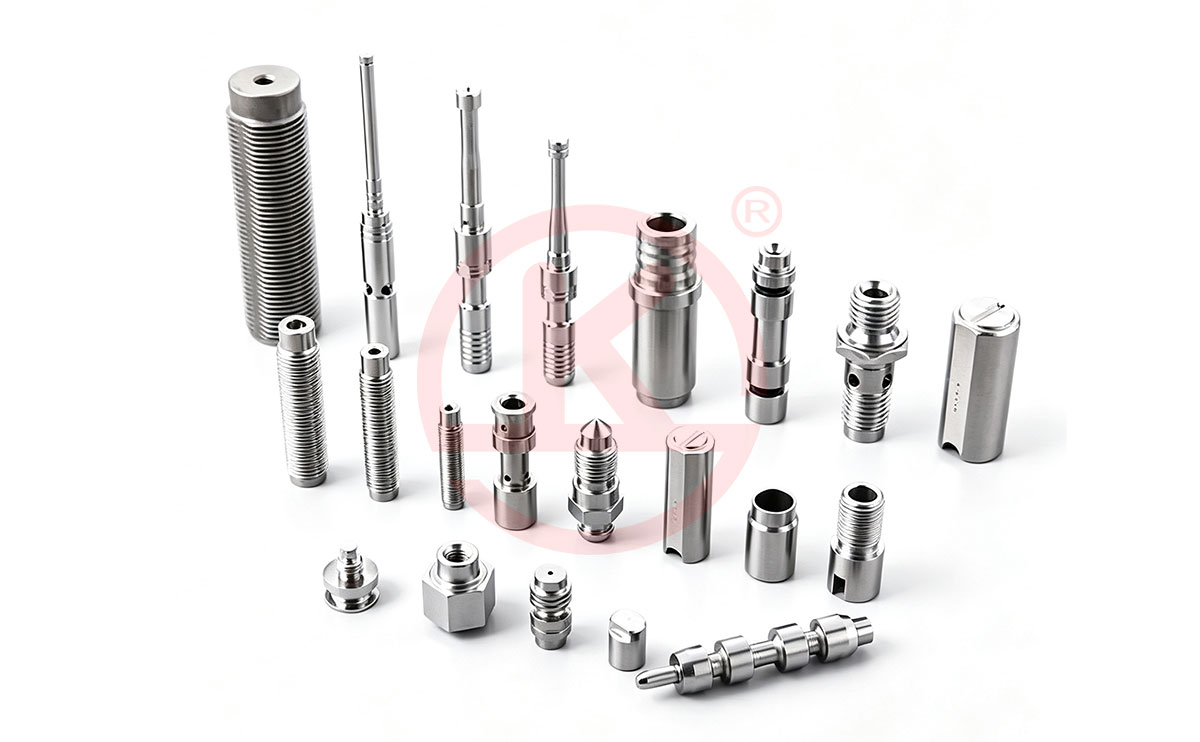
Master the basics of thread machining. Learn how to choose between Swiss-type lathes, slant bed lathes, and Y-axis turret machines for high-precision CNC internal and external threading.
What is Thread Machining?
In manufacturing, thread machining is a precision process used to create grooves on a part's surface. These threads are essential for creating secure connections and ensuring the structural integrity of complex machinery. From micro-medical screws to aerospace fasteners, the quality of a thread defines the reliability of the entire assembly.
Key Parameters for Precision Threading
To achieve tight tolerances (up to 0.0001 " ), machinists must control:
• Pitch: The distance between thread crests.
• Thread Size: The major and minor diameters.
• Thread Angle: The standard flank angle (typically 60° for Metric/UN).Jiakun Tech Insight: For long, slender threaded parts, stability is key. Our Swiss-type Lathes use a guide bushing to support the material right at the cutting point, preventing the vibration that causes dimensional errors.
Top Methods for Cutting Threads & Machine Selection
Different equipment excels at different threading tasks. Choosing the right CNC machine is vital for both precision and cost-effectiveness.
1 A. High-Speed Thread Turning
This is the most common method for external threads on cylindrical parts.
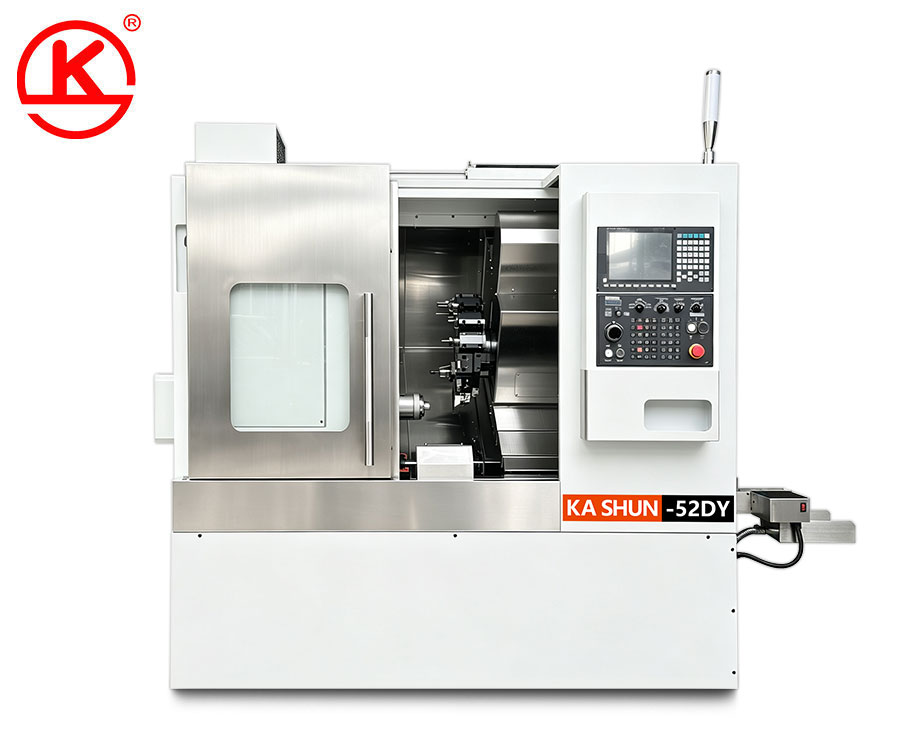
• Best Equipment: Slant Bed Gang Tool CNC Lathes or Standard Turret Lathes.
• Why: The slant bed design offers superior rigidity and chip removal. Gang tool machines provide lightning-fast tool changes, making them ideal for high-volume threading of standard bolts and connectors.
2 B. Multi-Axis Thread Milling & Off-Center Threads
When a part requires threads that aren't on the center axis, or for large-diameter internal threads.
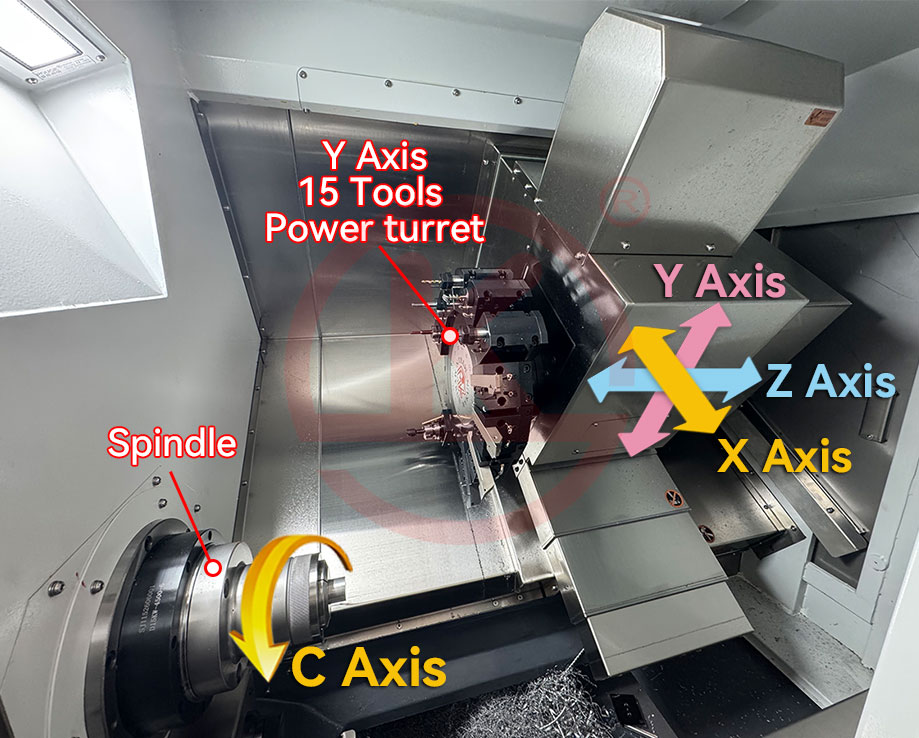
• Best Equipment: Turret CNC Lathes with Y-axis or Machining Centers.
• Why: The Interpolation Y-axis allows the machine to mill threads on the side of a part or perform complex threading operations without moving the component to a second machine.
3 C. Ultra-Precision Micro-Threading
For parts used in the medical, electronics, and watchmaking industries.
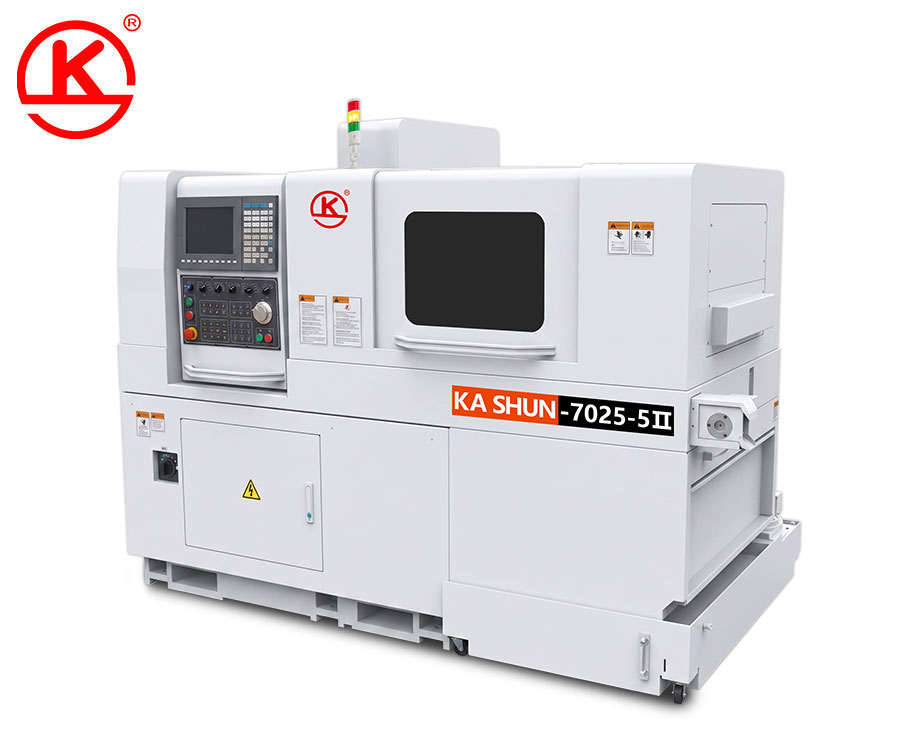
• Best Equipment: Swiss-type Lathes.
• Why: Swiss turning is the only choice for machining micro-threads on slender parts. It ensures the thread pitch and depth remain perfectly consistent even on parts with a high length-to-diameter ratio.
4 D. "One-Hit" Double Productivity
For complex parts that need threading on both ends.
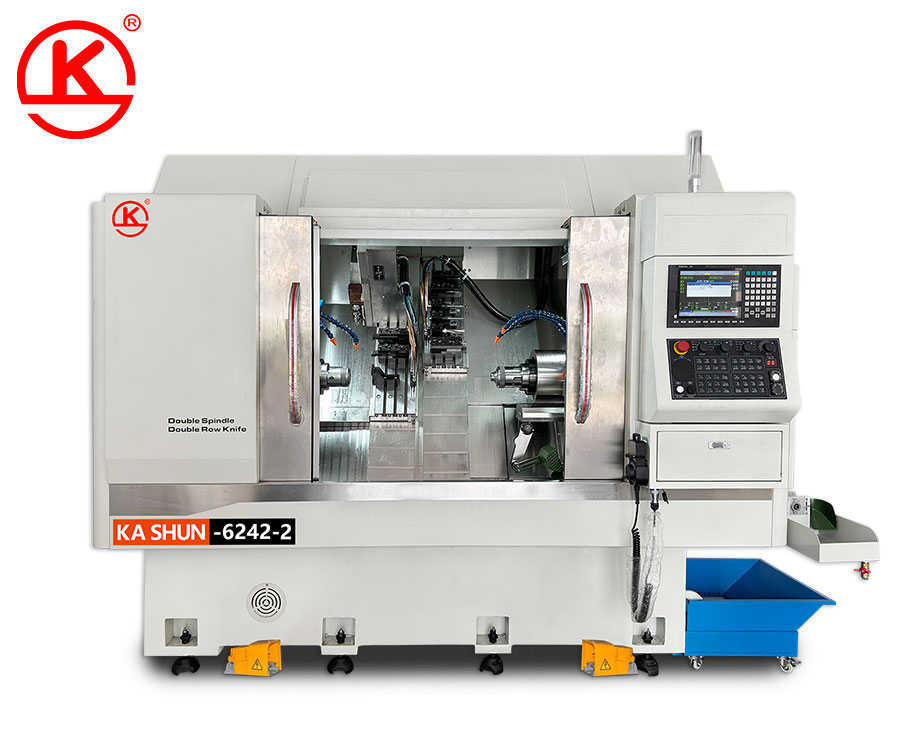
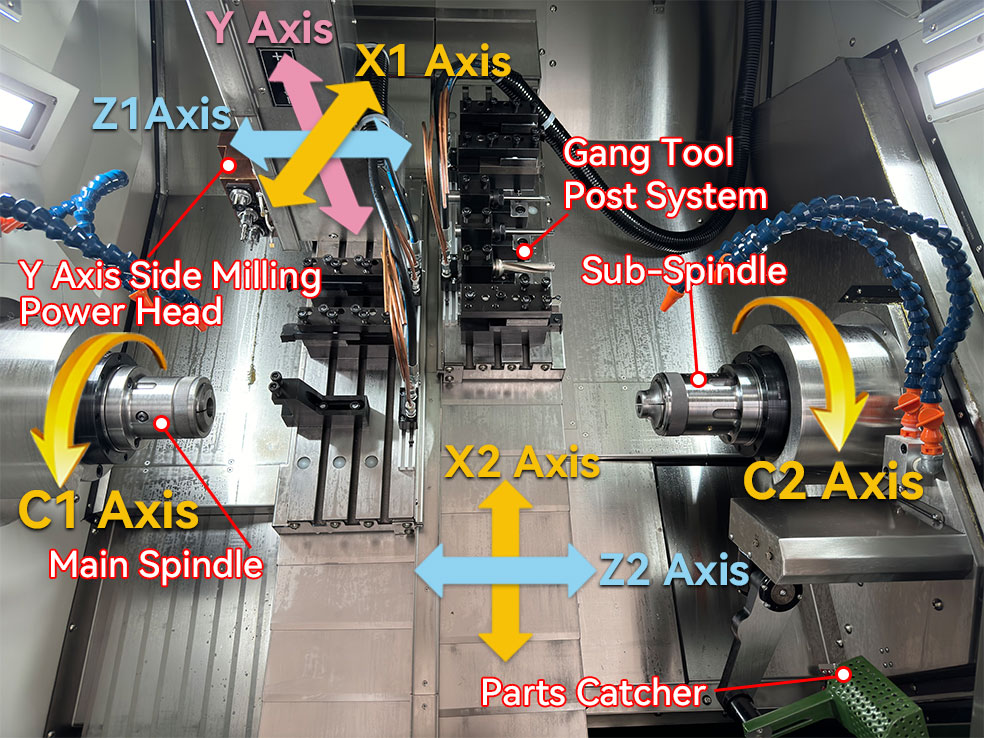
• Best Equipment: Dual Spindle Dual Turret / Dual Gang Tool Lathes.
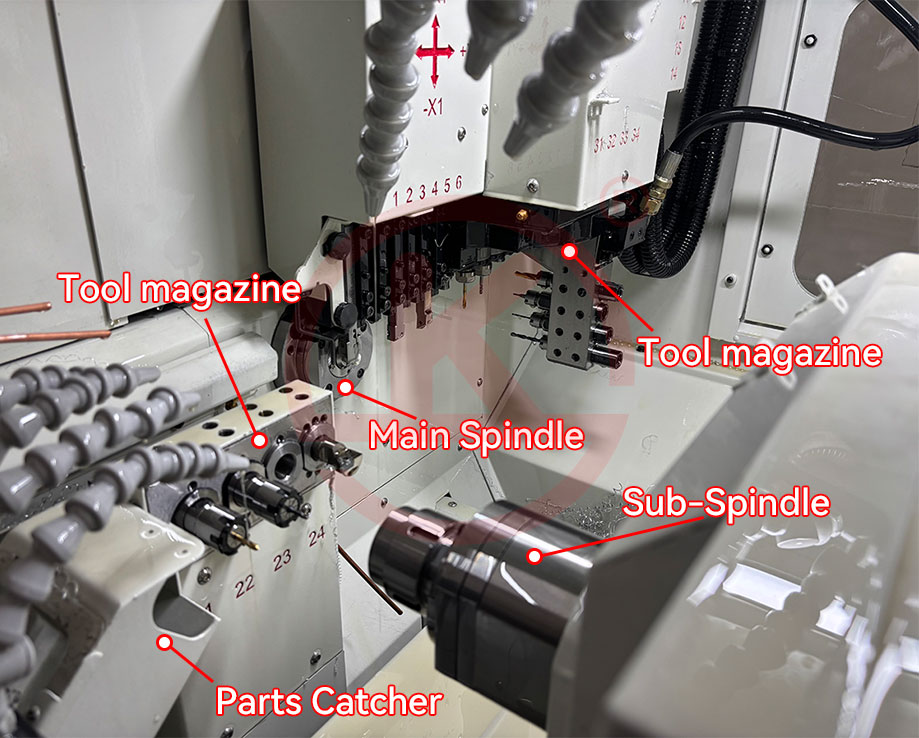
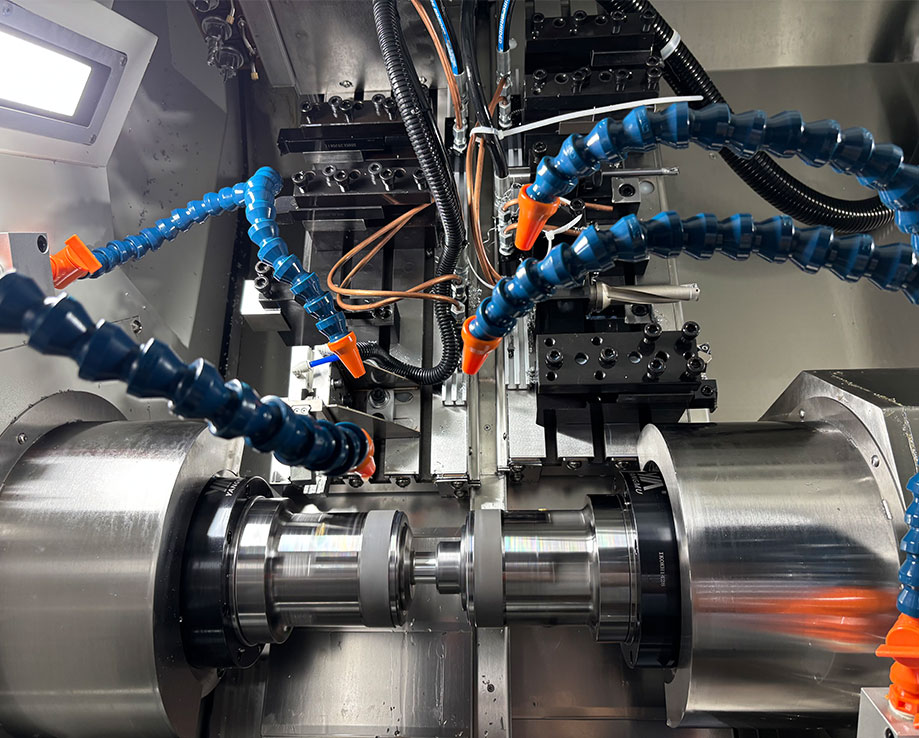
• Why: Instead of two separate setups, the dual spindles handle the front and back of the part simultaneously. You can turn threads on Spindle 1 and immediately transition to Spindle 2 for secondary operations, doubling your output per cycle.
High-precision docking of spindle/sub-spindle
Internal vs. External Threading Techniques
• Internal Threads: Typically made using Taps (Tapping) or internal threading bars. For precision holes, Horizontal Milling machines or Machining Centers provide the best control for deep-hole tapping.
• External Threads: Primarily produced via single-point turning on CNC Lathes or thread milling.
Common Mistakes to Avoid
• Inappropriate Tool Selection: Using a standard tap for hardened high-carbon steel can lead to tool breakage.
• Cross-Threading: Often caused by poor alignment. Using a Precision CNC machine with high-resolution encoders ensures the tool follows the exact same path on every pass.
• Poor Surface Finish: Usually a result of machine vibration. Switching to a Slant Bed Lathe or a Swiss Lathe significantly improves the thread's smoothness.
Comprehensive Solutions by Jiakun Machinery
No matter the material or complexity, Jiakun Machinery offers a versatile lineup of CNC equipment to master thread machining:
• For Mass Production: Slant bed gang tool lathes and dual spindle machines.
• For High Complexity: Y-axis turret lathes (with interpolation) for (Turn-Mill) tasks.
• For Small/Secondary Parts: High-speed Table Lathes.
For Large Components: Horizontal Milling and Machining Centers.
Choosing the right equipment is the first step to successful CNC thread machining