
Blog
Causes and countermeasures of CNC machining vibration problems

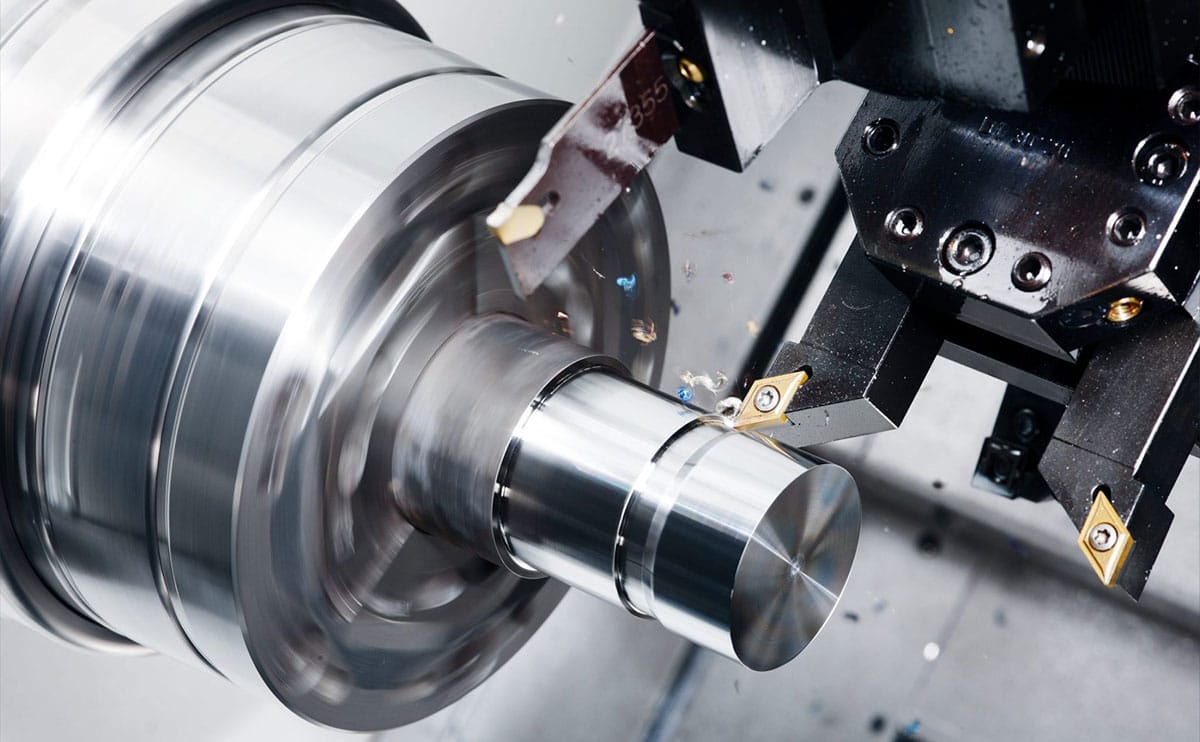
Causes and countermeasures of machining vibration problems
In CNC milling, vibration may occur due to the limitations of cutting tools, tool holders, machine tools, workpieces or fixtures, which will have a certain adverse effect on machining accuracy, surface quality and machining efficiency. To reduce cutting vibration, relevant factors need to be considered. The following is a comprehensive summary for your reference .
Fixture with poor rigidity:
• Assess the direction of cutting forces and provide adequate support or improve fixtures.
• Reduce cutting forces by reducing the depth of cut ap.
• A milling cutter with coarse pitch and uneven pitch for sharper cutting edges.
• A geometry with a small nose radius and small parallel lands.
• Choose fine-grained uncoated blades or thinly coated blades.
• Avoid machining where the workpiece is not adequately supported to resist cutting forces.
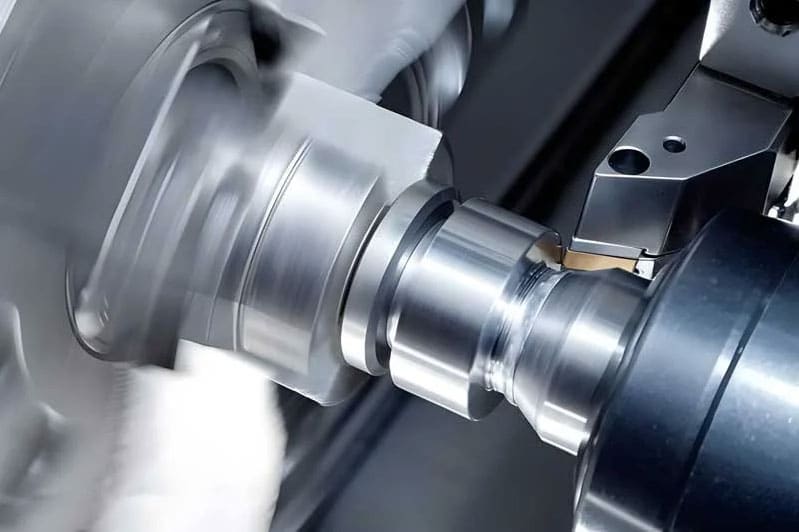
Workpieces with poor axial rigidity :
• Consider using a shoulder milling cutter with a positive geometry (90° entering angle)
• Select an insert with an L-groove.
• Reduced axial cutting forces - smaller cutting depth, smaller nose radius and parallel margin.
• Choose a sparse-pitch milling cutter with uneven pitch.
• Check tool wear.
• Check tool holder runout.
• Improved tool clamping.
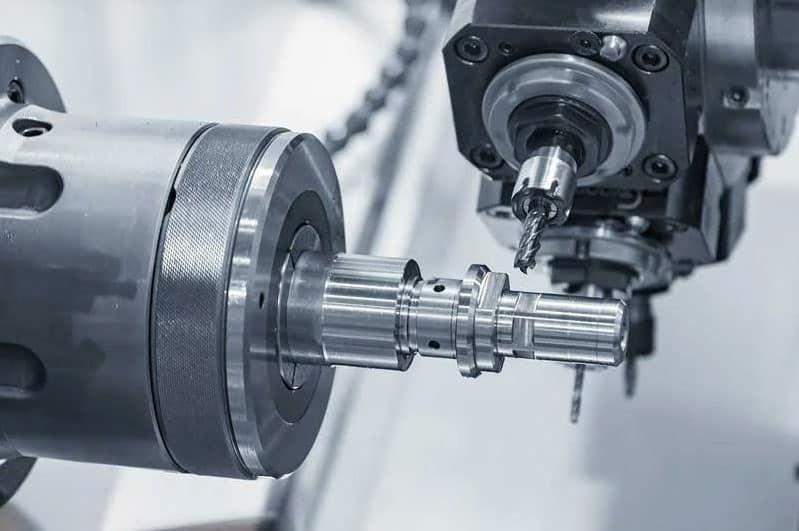
Unstable table feed :
• Tighten the machine feed mechanism: For CNC machine tools, adjust the feed screw.
• For conventional machine tools, adjust the locking screw or replace the ball screw.
Cutting data :
• Reduce cutting speed ( vc )
• Increase feed (fz)
• Change cutting depth ap.